Building Zora on Contract: Shipping a Marketplace That Isn’t “Yours”—and Loving the Work Anyway
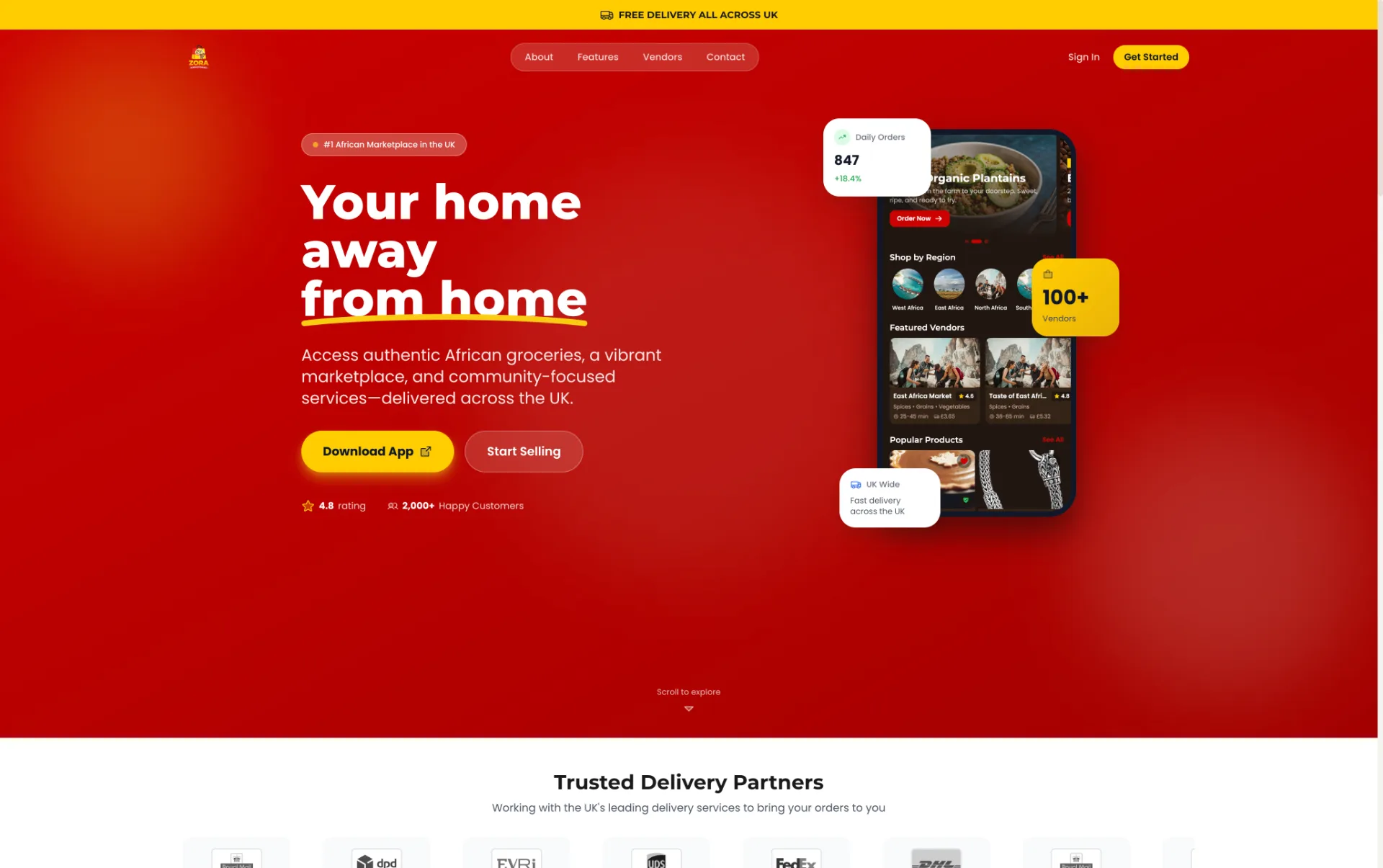
Zora African Market didn’t start as my napkin sketch—I was brought in to help turn someone else’s vision into real, working software: mobile shopping experiences, a marketing site, vendor tooling, and the messy operational layer in between. This is what that kind of build feels like from inside the codebase—without pretending the product was mine to own.
Opening
Some projects show up with your name on the roadmap; others with your name on the invoice. Zora was the second kind—and that difference matters more than most people admit. When you’re contracted to build a marketplace, you’re not defending a personal dream; you’re protecting someone else’s reputation, timelines, and customers. That shift changes how you listen, how hard you polish, and what you’re willing to claim when the story is told later.
The brief (as I lived it)
I wasn’t hired to debate the soul of diaspora commerce in the abstract. I was hired to make a platform feel coherent: where browsing feels intentional, checkout feels calm, and vendors aren’t punished for showing up without an engineering degree. The north star belonged to the client and the community they serve. My job was execution with empathy—translate intent into flows that behave under stress.
What the marketplace actually asks for
From the outside, people see “an app.” From the builder’s chair, you see seams: shopper experience on the phone, trust and onboarding on the web, operations behind the curtain. Contracting doesn’t shrink that complexity—it concentrates it into deadlines and deliverables. You learn to communicate early when a shortcut today becomes user pain tomorrow, because you won’t always be in every meeting where that trade-off gets explained.
The humble craft
The parts I’m proudest of are often unglamorous: empty states that don’t feel like abandonment, errors that sound human, and flows that respect someone’s lunch break. Good contract work isn’t louder heroics—it’s reliability that makes the client look competent to their users. That’s the quiet metric.
Rhythm without possession
Mobile users steal minutes; web visitors wander and compare. Aligning those rhythms wasn’t about stamping my tastes on the product—it was about helping one organisation speak clearly across surfaces so nobody feels like they accidentally downloaded “a different company.” Ownership of the product vision stayed where it belonged. Ownership of the craft stayed with me.
What contracting taught me here
You learn to separate ego from outcome. You celebrate launches as shared wins. You accept that maintenance, iteration, and business decisions live with the client—and that your legacy is often “it worked when they needed it to.” That’s not a diminishment; it’s professionalism.
Closing
I didn’t find Zora. I helped build it—carefully, honestly, and with respect for the people whose names are on the business. If you’re a developer taking on serious product work under someone else’s banner: build it as it matters, credit like it’s shared, and tell the story without borrowing ownership you didn’t earn.